
Viral infections that affect the digestive system, especially viral gastroenteritis, often cause nausea, vomiting, diarrhea, abdominal pain, and weakness. In most healthy adults, they resolve within a few days, but the biggest practical problem during these infections is not only the “virus” itself, but the loss of fluids and electrolytes [1]. When a person vomits repeatedly or has frequent watery stools, the body does not lose only water. Sodium, potassium, chloride, and other electrolytes are also lost, and these are necessary for normal muscle, nerve, and heart function, as well as for maintaining blood pressure [1], [2].
That is why, in dehydration caused by viral infections, simply “drinking water” is not always enough. Water is important, but oral rehydration solutions - with the correct balance of salts and glucose - are often a better choice when diarrhea, vomiting, or signs of dehydration are present [2], [3].
Electrolytes are minerals that carry an electrical charge in body fluids. The most important in the context of dehydration are sodium, potassium, chloride, and bicarbonate. They help maintain fluid balance, nerve conduction, muscle function, and the body's acid-base balance [3].
During a viral infection, especially when diarrhea is present, the intestines lose large amounts of water and salts. Vomiting makes the situation worse because it becomes harder to take in fluids while fluid and electrolytes are also being lost through stomach contents [1], [4]. As a result, dehydration can develop even when a person tries to drink but cannot retain enough fluid [1].
The risk is greater in children, older adults, pregnant women, and people with chronic conditions because dehydration can develop more quickly and lead to more serious consequences [2], [4].
When a larger amount of fluid is lost through diarrhea and vomiting, plain water can replace part of the fluid loss, but it does not restore lost electrolytes in the proper proportions. Drinking large amounts of water alone, without salts and nutrients, can further disturb sodium balance, especially in children or people who already have significant electrolyte losses [3], [5].
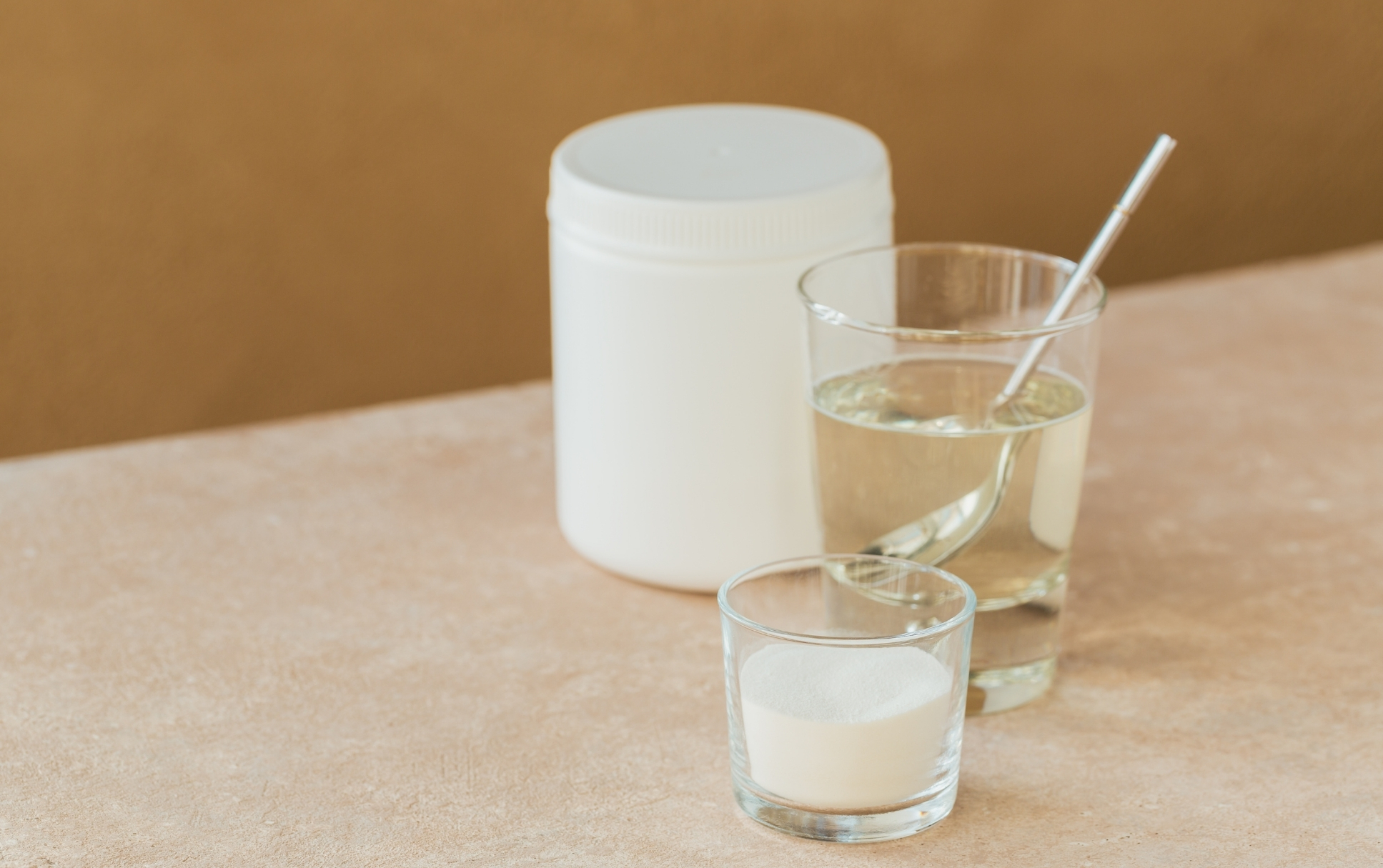
Oral rehydration solutions are designed to contain sodium and glucose in a ratio that improves water absorption from the intestines [3]. This matters because sodium and glucose are absorbed together through specific transport mechanisms in the intestine, and water then follows this process [3].
In other words, the goal is not only for fluid to “reach the stomach,” but for it to actually be absorbed and retained by the body.
Oral rehydration therapy has been used for decades as a basic approach to dehydration caused by diarrhea and vomiting. The World Health Organization recommends oral rehydration salts for the prevention and treatment of dehydration in acute diarrheal illnesses, and modern formulations have reduced osmolarity to improve effectiveness and tolerability [5].
With viral gastroenteritis, the goal is to replace lost fluids and electrolytes. If vomiting is present, small, frequent sips are usually better tolerated than a large amount at once [1]. Small sips every few minutes are often easier to keep down than quickly drinking a full glass, because a large volume at once can trigger further vomiting [1], [4].
In children with mild or moderate dehydration, guidelines recommend oral rehydration solution in small, frequent amounts, while continuing breastfeeding if the child is breastfed [4]. In adults, oral rehydration solutions can also be used when vomiting, diarrhea, weakness, thirst, dry mouth, or reduced urination are present [1], [2].
Many people reach for sports drinks, juices, or soft drinks during a viral infection, assuming they will replace both energy and electrolytes. However, sports drinks are not the same as oral rehydration solutions. They may help with very mild dehydration, but they often do not contain the optimal balance of sodium, glucose, and other electrolytes needed to treat dehydration caused by diarrhea [2], [6].
Juices and sweetened drinks can worsen diarrhea in some people because of their high sugar content. Caffeine and alcohol should be avoided because they can worsen fluid loss or irritate the digestive system [1], [2].
The best choice for more pronounced diarrhea or vomiting is a pharmacy oral rehydration solution prepared exactly according to the manufacturer's instructions [3], [5].
Mild dehydration may present with thirst, dry mouth, fatigue, headache, darker urine, and less frequent urination. As dehydration worsens, dizziness, a rapid pulse, drowsiness, confusion, very little urination, or inability to keep fluids down because of persistent vomiting may occur [1], [2].
In children, signs to watch for include dry mouth, crying without tears, sunken eyes, marked drowsiness, cold hands and feet, and a significant decrease in wet diapers [4]. Dehydration can progress much faster in infants and young children than in adults, so particular caution is needed [4].
Medical care should be sought if a person cannot keep fluids down, if vomiting is persistent, if there is blood in the stool, severe abdominal pain, high fever, signs of severe dehydration, confusion, fainting, or very infrequent urination [1], [2]. In children, older adults, pregnant women, and people with kidney disease, heart disease, diabetes, or weakened immunity, the threshold for contacting a healthcare professional should be lower [2], [4].
If severe dehydration is present, oral rehydration may not be sufficient and intravenous replacement of fluids and electrolytes may be required [2], [3].
With a viral infection involving diarrhea or vomiting, it is best to start with small sips of fluid as soon as the person is able to drink. If nausea is present, a few sips every several minutes may be better tolerated. Oral rehydration solution should be prepared exactly according to the instructions, because too much or too little water can alter the concentration of salts and sugars [5].
Once vomiting improves, light foods can be reintroduced gradually. Prolonged fasting is usually unnecessary, but simple meals that are easy to tolerate are preferable. Breastfeeding is usually continued in breastfed children, with additional rehydration as advised by a healthcare professional if needed [4].
The most important goal is to replace what the body is losing: water, electrolytes, and energy to the extent that they can be tolerated [1], [3].
Electrolytes are essential in dehydration caused by viral infections because during diarrhea and vomiting the body loses not only water, but also minerals needed for normal body function. In mild to moderate dehydration, oral rehydration solutions are often the best first-line option because they improve water absorption and replace lost salts [3], [5].
Plain water is useful, but with more pronounced diarrhea and vomiting it is often not enough. Extra caution is needed in children, older adults, pregnant women, and people with chronic conditions. If signs of more severe dehydration appear or the person cannot keep fluids down, medical care should be sought [1], [2], [4].
[1] National Institute of Diabetes and Digestive and Kidney Diseases (NIDDK). Treatment of Viral Gastroenteritis (“Stomach Flu”). Accessed 2026.
https://www.niddk.nih.gov/health-information/digestive-diseases/viral-gastroenteritis/treatment
[2] Centers for Disease Control and Prevention (CDC). About Norovirus. Accessed 2026.
https://www.cdc.gov/norovirus/about/index.html
[3] Centers for Disease Control and Prevention (CDC). Managing Acute Gastroenteritis Among Children: Oral Rehydration, Maintenance, and Nutritional Therapy. 2003.
https://www.cdc.gov/mmwr/preview/mmwrhtml/rr5216a1.htm
[4] National Institute of Diabetes and Digestive and Kidney Diseases (NIDDK). Symptoms & Causes of Viral Gastroenteritis (“Stomach Flu”). Accessed 2026.
[5] World Health Organization (WHO). Oral Rehydration Salts: Production of the New ORS. 2006.
https://www.who.int/publications/i/item/WHO-FCH-CAH-06.1
[6] National Institute of Diabetes and Digestive and Kidney Diseases (NIDDK). Treatment of Diarrhea. Accessed 2026.
https://www.niddk.nih.gov/health-information/digestive-diseases/diarrhea/treatment
Health Disclaimer: This content is for educational and informational purposes only and is not a substitute for professional medical advice, diagnosis, or treatment. Always consult a qualified healthcare professional before starting or changing any supplement, especially if you are pregnant, breastfeeding, have a medical condition, or take medication.