
The weight-loss supplement market is enormous, but most products do not produce clinically meaningful weight loss. The most reliable sources, including the NIH Office of Dietary Supplements and NCCIH, state that many popular ingredients either have only a very modest effect or lack enough high-quality evidence to be recommended as a serious aid in obesity treatment [1], [2]. In other words, a supplement may provide a small additional benefit alongside diet and physical activity, but it cannot replace a calorie deficit, movement, sleep, and, when needed, medical treatment [1], [3].
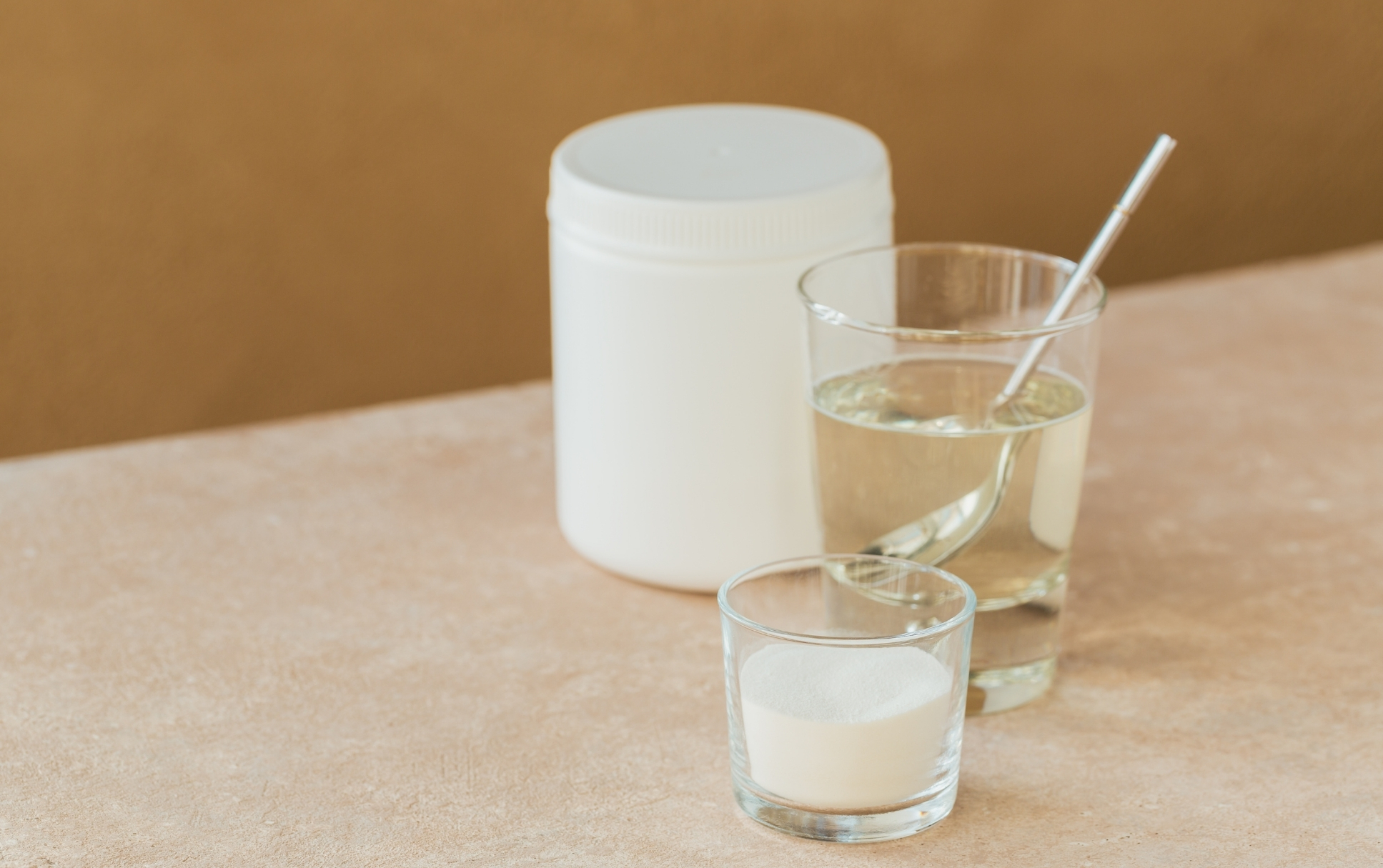
Among supplement categories, soluble fiber has one of the most logical and practical roles. It does not “burn” fat, but it may help a person feel fuller, snack less, and maintain a calorie deficit more easily. Glucomannan is one of the most commonly marketed ingredients in this group. The NIH notes that results are mixed and that its effect on body weight is generally small or inconsistent [1]. More recent systematic reviews of soluble fiber suggest that people with excess weight may experience a small additional effect on body weight, particularly when fiber is used together with a controlled diet [4].
The same general principle applies to psyllium and other fibers. Their main value is not a “fat burner” effect, but appetite control, better bowel regulation, and easier adherence to an eating plan [5]. This distinction matters because many people expect rapid weight loss, while the actual benefit may simply be a small improvement in satiety - which can still be useful, but is not a miracle [5].
Protein supplements such as whey or plant-based protein are not weight-loss supplements in the strict sense, but they can be useful during dieting. Their main advantage is that they may help increase satiety and preserve muscle mass while body weight is being reduced [6]. In that sense, protein supports the quality of weight loss more than the speed of weight loss. If a person already gets enough protein from food, additional protein powder is often unnecessary [6].
Caffeine and green tea extract are among the most commonly used ingredients in weight-loss products. Evidence suggests that they may have a small effect on body weight or on limiting weight gain over time, but this effect is usually modest and may weaken as tolerance develops [1], [7]. More recent systematic reviews of green tea also conclude that any benefit is generally small and far below what marketing claims often suggest [7].
Important: green tea extracts in capsules are not the same as occasionally drinking green tea. NCCIH notes that cases of liver injury have been reported, particularly with concentrated extracts [8]. “Natural” does not automatically mean safe [8].
Chromium has been marketed for years as an aid for weight loss, fat reduction, and “blood sugar control.” However, the NIH notes that the average benefit for body weight is very small - on a scale that is unlikely to make a visible difference in appearance or health for most people [9]. This does not mean chromium is completely useless, but its effect is so limited that marketing often greatly exaggerates it [9].
Garcinia cambogia is a classic example of a supplement that became popular largely because of marketing rather than strong evidence. NCCIH states that it is unclear whether it truly helps with weight loss because some studies show a modest effect while others show none [10]. Safety is another concern, as cases of liver injury have been reported [10]. Given the combination of limited benefit and potential risk, Garcinia cambogia does not have a favorable profile for routine use as a weight-loss aid [10].
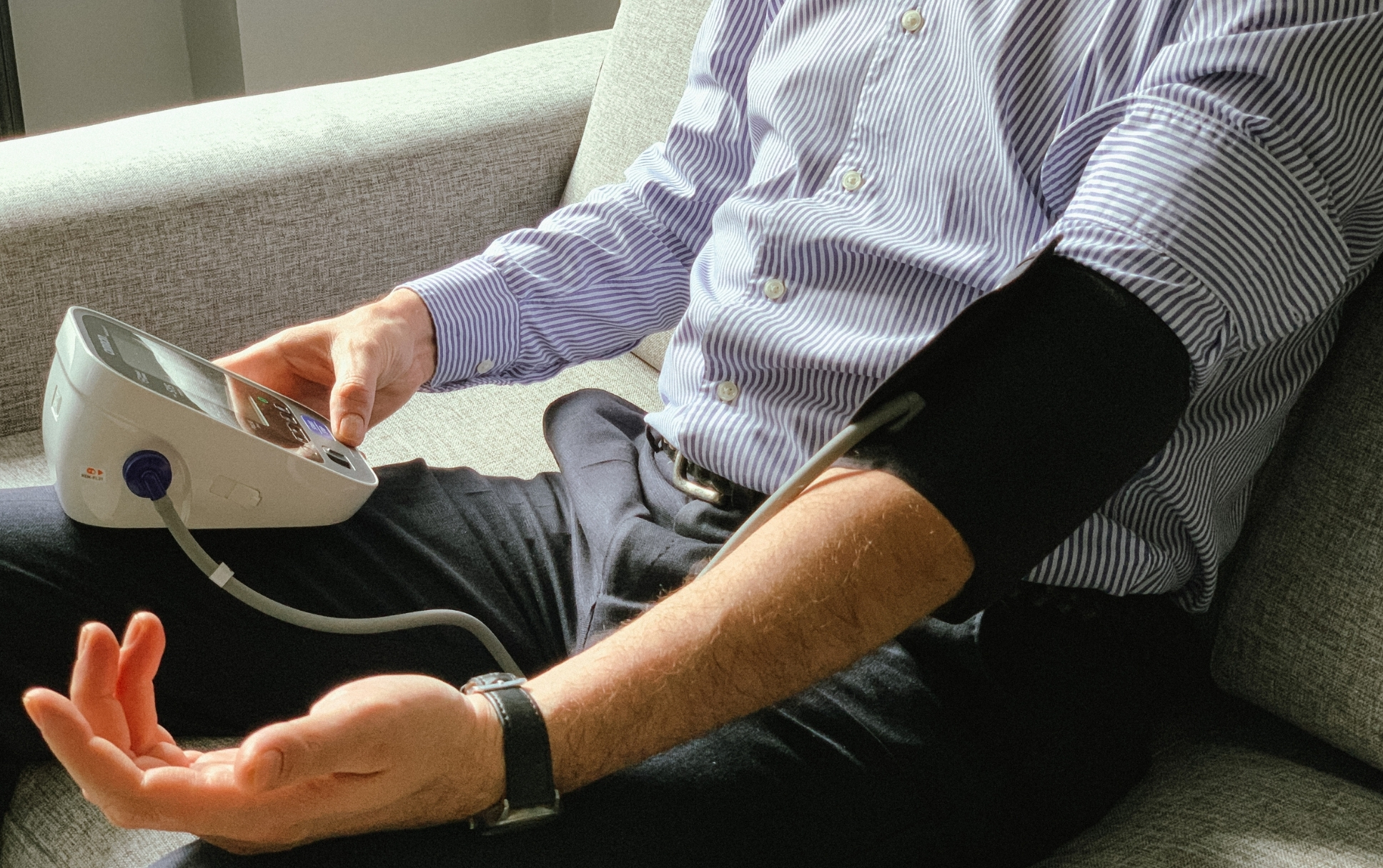
Products containing bitter orange, synephrine, and similar stimulants often promise faster fat burning. The problem is that evidence for weight loss is weak and the safety profile is not ideal. NIH and NCCIH note that these ingredients may raise blood pressure and increase heart rate, especially when combined with caffeine [1], [11]. This is particularly concerning for people with hypertension, arrhythmias, anxiety, or cardiovascular risk [11].
This is probably the most problematic category. Many products do not cause true fat loss, but only temporary water loss or bowel emptying, so the scale may show a short-term drop that does not represent real weight loss [12]. In addition, the FDA continues to publish warnings about weight-loss products contaminated with hidden pharmacologic ingredients, including sibutramine, which was previously withdrawn from the market for safety reasons [12], [13].
The biggest mistake is expecting a supplement to “boost metabolism” so much that a person can eat the same way and still lose weight. In practice, this almost never happens [1], [3]. Another common mistake is buying products that combine ten ingredients in one capsule, without clear doses or independent quality verification. The more aggressive and exaggerated the marketing, the greater the chance that the benefit is small while the risk is higher [12].
A realistic answer is this: supplements that help with satiety or muscle preservation make the most sense, such as certain fibers and protein, but even these do not produce dramatic results on their own [4], [5], [6]. Stimulants and aggressive “fat burner” products should be approached much more cautiously, while products with suspicious advertising, unclear formulas, and promises of rapid results are generally best avoided [11], [12].
Important: for people with obesity, insulin resistance, hypertension, fatty liver disease, PCOS, or eating disorders, it is far more useful to build a plan that includes nutrition, physical activity, sleep, psychological patterns, and medical assessment when needed than to spend money on several “magic” supplements at once [3].
Supplements that may help with weight loss do exist, but their effect is generally small. Those that support appetite control and satiety, such as certain fibers, or help preserve muscle mass during dieting, such as protein supplements, make the most sense [4], [5], [6]. The biggest myths are products that promise rapid fat burning, a detox effect, or major weight loss without changing habits, because strong evidence is usually lacking and some may carry serious risks [10], [11], [12]. The best approach is to treat supplements only as supportive tools, never as the main strategy.
[1] NIH Office of Dietary Supplements (ODS). Dietary Supplements for Weight Loss: Fact Sheet for Health Professionals. Accessed 2026.
https://ods.od.nih.gov/factsheets/WeightLoss-HealthProfessional/
[2] NIH Office of Dietary Supplements (ODS). Dietary Supplements for Weight Loss: Fact Sheet for Consumers. Accessed 2026.
https://ods.od.nih.gov/factsheets/WeightLoss-Consumer/
[3] National Institute of Diabetes and Digestive and Kidney Diseases (NIDDK). Treatment for Overweight & Obesity. Accessed 2026.
https://www.niddk.nih.gov/health-information/weight-management/adult-overweight-obesity/treatment
[4] Jovanovski E, et al. Prolonged Isolated Soluble Dietary Fibre Supplementation in Overweight and Obese Patients: A Systematic Review with Meta-Analysis of Randomised Controlled Trials. 2022.
https://pmc.ncbi.nlm.nih.gov/articles/PMC9268533/
[5] Gibb RD, McRorie JW, Horn JL, et al. Psyllium Is a Natural Nonfermented Gel-Forming Fiber That Is Effective for Weight Loss: A Comprehensive Review and Meta-Analysis. 2023.
https://pmc.ncbi.nlm.nih.gov/articles/PMC10389520/
[6] Effectiveness of Whey Protein Supplementation in Weight Loss Interventions for Patients with Obesity: A Systematic Review. 2026.
https://pmc.ncbi.nlm.nih.gov/articles/PMC12942925/
[7] Gholami F, et al. Does Green Tea Catechin Enhance the Weight-Loss Effect of Exercise Training in Overweight and Obese Individuals? A Systematic Review and Meta-Analysis of Randomized Trials. 2024.
https://pmc.ncbi.nlm.nih.gov/articles/PMC11445908/
[8] National Center for Complementary and Integrative Health (NCCIH). Green Tea. Accessed 2026.
https://www.nccih.nih.gov/health/green-tea
[9] NIH Office of Dietary Supplements (ODS). Chromium: Fact Sheet for Health Professionals. Accessed 2026.
https://ods.od.nih.gov/factsheets/Chromium-HealthProfessional/
[10] National Center for Complementary and Integrative Health (NCCIH). Garcinia Cambogia: Usefulness and Safety. Accessed 2026.
https://www.nccih.nih.gov/health/garcinia-cambogia
[11] National Center for Complementary and Integrative Health (NCCIH). Bitter Orange: Usefulness and Safety. Accessed 2026.
https://www.nccih.nih.gov/health/bitter-orange
[12] U.S. Food and Drug Administration (FDA). Weight Loss Product Notifications. Updated 2026.
https://www.fda.gov/drugs/medication-health-fraud-notifications/weight-loss-product-notifications
[13] U.S. Food and Drug Administration (FDA). Avoiding Products Contaminated With Hidden Ingredients. Updated 2025.
https://www.fda.gov/drugs/medication-health-fraud/avoiding-products-contaminated-hidden-ingredients
Health Disclaimer: This content is for educational and informational purposes only and is not a substitute for professional medical advice, diagnosis, or treatment. Always consult a qualified healthcare professional before starting or changing any supplement, especially if you are pregnant, breastfeeding, have a medical condition, or take medication.