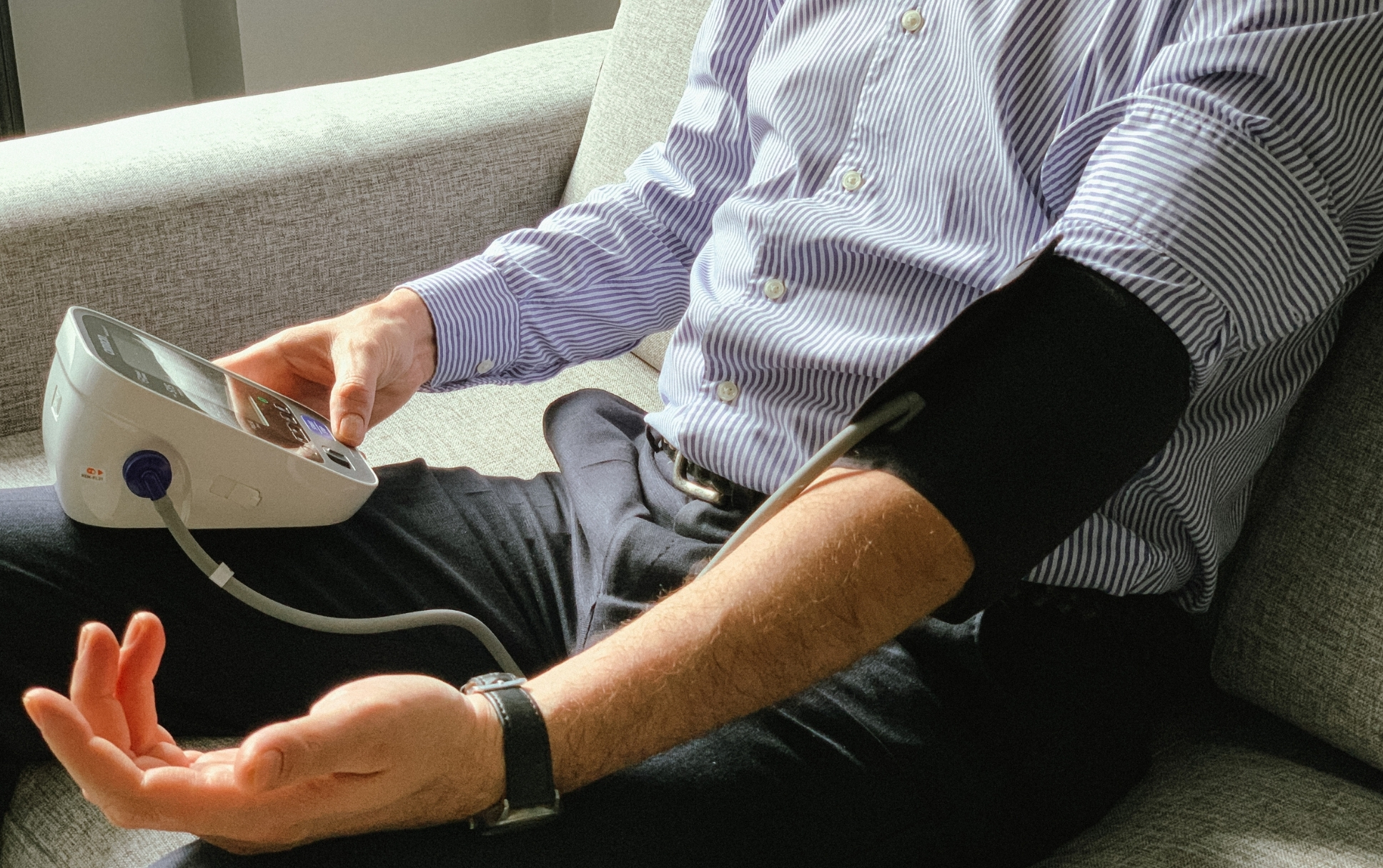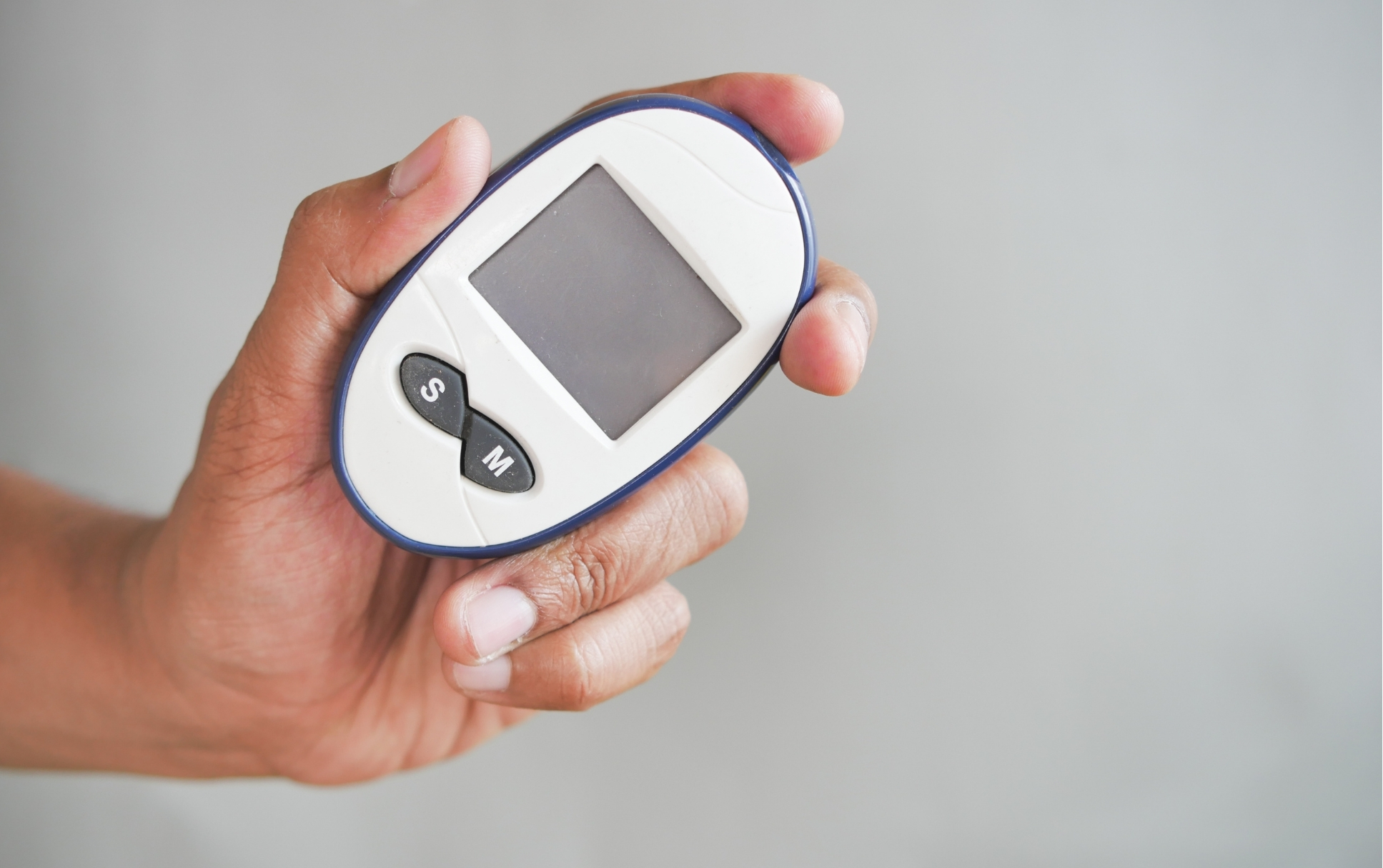

Diabetes mellitus is a chronic condition in which blood glucose levels are elevated because the body does not produce enough insulin, does not use it effectively, or both problems occur at the same time. Insulin is a hormone that allows glucose from the blood to enter cells and be used as a source of energy. When there is not enough insulin or it does not work properly, glucose remains in the bloodstream, and persistently elevated levels can damage blood vessels, nerves, kidneys, eyes and the heart [1], [2].
Type 1 diabetes is an autoimmune disease. The immune system mistakenly attacks the pancreatic beta cells that produce insulin, so the body begins to make very little or none at all. Insulin is therefore essential for survival. Type 1 is often diagnosed in children, teenagers and younger adults, but it can occur at any age [3], [5].
Type 2 diabetes develops through a different mechanism. Cells become less sensitive to insulin, which is known as insulin resistance. At first, the pancreas tries to compensate by producing more insulin, but over time it can no longer maintain normal blood glucose levels. Type 2 is the most common form of diabetes and accounts for about 90-95% of diagnosed cases in the United States [2], [4], [5].
The most common symptoms of diabetes include increased thirst, frequent urination, increased hunger, fatigue, blurred vision and unexplained weight loss. Slower wound healing and more frequent infections, including urinary, skin and fungal infections, may also occur [1], [6].
In type 1 diabetes, symptoms often develop quickly, over several days or weeks. Sometimes the disease is first recognized only when diabetic ketoacidosis (DKA) develops, a serious medical emergency that can cause nausea, vomiting, abdominal pain, difficulty breathing, dehydration and a characteristic fruity or acetone-like breath odor [3], [6].
In type 2 diabetes, symptoms usually develop more gradually, sometimes over several years, and some people may have no clear symptoms for a long time. This is why the condition can remain undiagnosed for years [2], [4].
The likelihood of type 1 diabetes is higher in people who have a close relative with the condition, although the exact cause is not fully understood. Genetic and environmental factors are known to contribute to triggering the autoimmune process [3], [6].
Risk factors for type 2 diabetes are more clearly defined. They include excess body weight, physical inactivity, older age, family history, previous gestational diabetes and prediabetes. In many people, risk can be reduced and the development of the disease delayed through lifestyle changes [1], [4], [5].
Diabetes is diagnosed with laboratory testing. According to the Standards of Care in Diabetes - 2026, diabetes can be diagnosed if HbA1c is 6.5% or higher, fasting plasma glucose is 126 mg/dL (7.0 mmol/L) or higher, glucose 2 hours after an OGTT is 200 mg/dL (11.1 mmol/L) or higher, or if a person with typical symptoms of hyperglycemia or a hyperglycemic crisis has a random plasma glucose level of 200 mg/dL (11.1 mmol/L) or higher. If unequivocal hyperglycemia or a hyperglycemic crisis is absent, the diagnosis should be confirmed with additional testing [7].
HbA1c reflects average blood glucose over approximately the previous 2-3 months. Prediabetes is also important to recognize. In this condition, glucose levels are higher than normal but not yet in the diabetes range. At this stage, changes in diet, physical activity and body weight can significantly reduce the likelihood of developing type 2 diabetes [2], [5], [7].
Untreated or poorly controlled diabetes can damage blood vessels and nerves over time. The consequences can affect the heart, kidneys, eyes, peripheral nerves and lower limbs, especially the feet [2], [5].
Diabetes increases the risk of cardiovascular disease, including heart attack and stroke, and can lead to chronic kidney disease and kidney failure, permanent vision damage and blindness, as well as nerve and circulation problems in the feet. Foot ulcers that do not heal can become infected and, in severe cases, lead to amputation of toes, the foot or part of the leg [2], [5].
This is why a diabetes diagnosis is not just a number on a laboratory report. Long-term control of blood glucose, blood pressure, lipids and lifestyle habits is important for reducing the risk of complications [2], [5].
For type 1 diabetes, insulin is the foundation of treatment. It is given subcutaneously, most commonly with an insulin pen or injection, and in some people through an insulin pump. With injection-based regimens, insulin is often given several times a day according to an individualized treatment plan [3].
Without insulin, the body cannot use glucose normally, so daily insulin therapy is essential. Regular glucose monitoring, appropriate nutrition, physical activity and education about hypoglycemia and diabetic ketoacidosis are also important. Hypoglycemia is most commonly defined as glucose below 70 mg/dL, or 3.9 mmol/L, while DKA is a life-threatening acute complication that requires urgent treatment [3].
For type 2 diabetes, treatment includes lifestyle changes such as balanced nutrition, regular physical activity and, when appropriate, weight reduction. Depending on glucose levels, coexisting conditions and individual needs, medications may be introduced, and some people may also require insulin. Lifestyle habits remain an important part of treatment even when medications are used [2], [4].
Type 1 and type 2 are not the same disease, even though both lead to elevated blood glucose. In type 1 diabetes, insulin is essential for survival, while type 2 usually develops gradually and may remain without clear symptoms for a long time [3], [4].
Prediabetes is a serious sign of increased risk, but it is also a period in which lifestyle changes can significantly reduce the likelihood of developing type 2 diabetes [2], [5], [7].
Diabetes is not simply "high sugar," but a chronic metabolic condition that requires monitoring and long-term management. Early recognition of symptoms, correct distinction between type 1 and type 2, appropriate treatment and control of risk factors can reduce the likelihood of serious complications.
[1] National Institute of Diabetes and Digestive and Kidney Diseases (NIDDK). Diabetes Overview. Accessed 2026.
https://www.niddk.nih.gov/health-information/diabetes/overview
[2] World Health Organization (WHO). Diabetes. 2024.
https://www.who.int/news-room/fact-sheets/detail/diabetes
[3] National Institute of Diabetes and Digestive and Kidney Diseases (NIDDK). Type 1 Diabetes. Accessed 2026.
https://www.niddk.nih.gov/health-information/diabetes/overview/what-is-diabetes/type-1-diabetes
[4] Centers for Disease Control and Prevention (CDC). Type 2 Diabetes. 2024.
https://www.cdc.gov/diabetes/about/about-type-2-diabetes.html
[5] Centers for Disease Control and Prevention (CDC). Diabetes Basics. 2026.
https://www.cdc.gov/diabetes/about/index.html
[6] National Institute of Diabetes and Digestive and Kidney Diseases (NIDDK). Symptoms & Causes of Diabetes. Accessed 2026.
https://www.niddk.nih.gov/health-information/diabetes/overview/symptoms-causes
[7] American Diabetes Association Professional Practice Committee. Diagnosis and Classification of Diabetes: Standards of Care in Diabetes - 2026. 2026.
https://pmc.ncbi.nlm.nih.gov/articles/PMC12690183/
Health Disclaimer: This content is for educational and informational purposes only and is not a substitute for professional medical advice, diagnosis, or treatment. Always consult a qualified healthcare professional before starting or changing any supplement, especially if you are pregnant, breastfeeding, have a medical condition, or take medication.